
From Market to Table: The Seamless Luxury of a Provence Private Chef
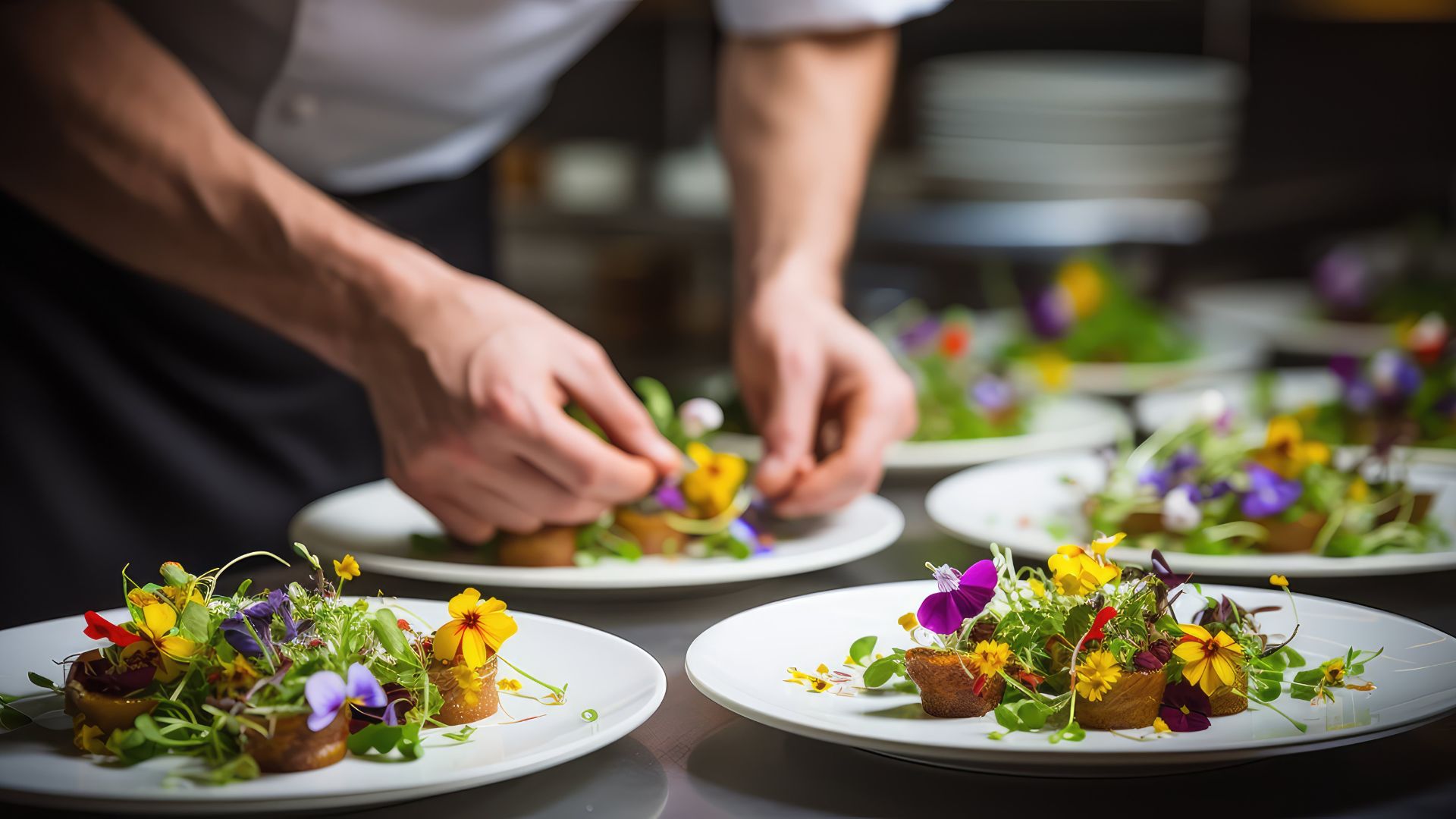
From market-fresh ingredients to multi-course magic, discover how the right private chef transforms your villa stay into an unforgettable culinary journey.
The best part of your day in Provence begins around four in the afternoon, when you’re still warm from the pool, a glass of chilled rosé sweating gently in your hand. That’s when you hear it: the crunch of tires on gravel, a car door closing, the murmur of French voices as your private chef arrives.
You don’t move from your lounger. You don’t need to. This is the entire point.
Over the next few hours, while you float between the pool and the terrace, while you shower and dress at your leisure, while you sit with your traveling companions debating absolutely nothing of consequence, something extraordinary unfolds in your villa kitchen. By the time the sun begins its slow descent behind the Alpilles, turning everything golden and soft, you’ll sit down to a meal that rivals anything you’d find in the region’s most celebrated restaurants. Except you’re barefoot. And the only reservation you needed was the good sense to hire the right chef.
This is what a private chef experience in Provence really looks like. Let us walk you through it.
The Market Run You Never Have to Make
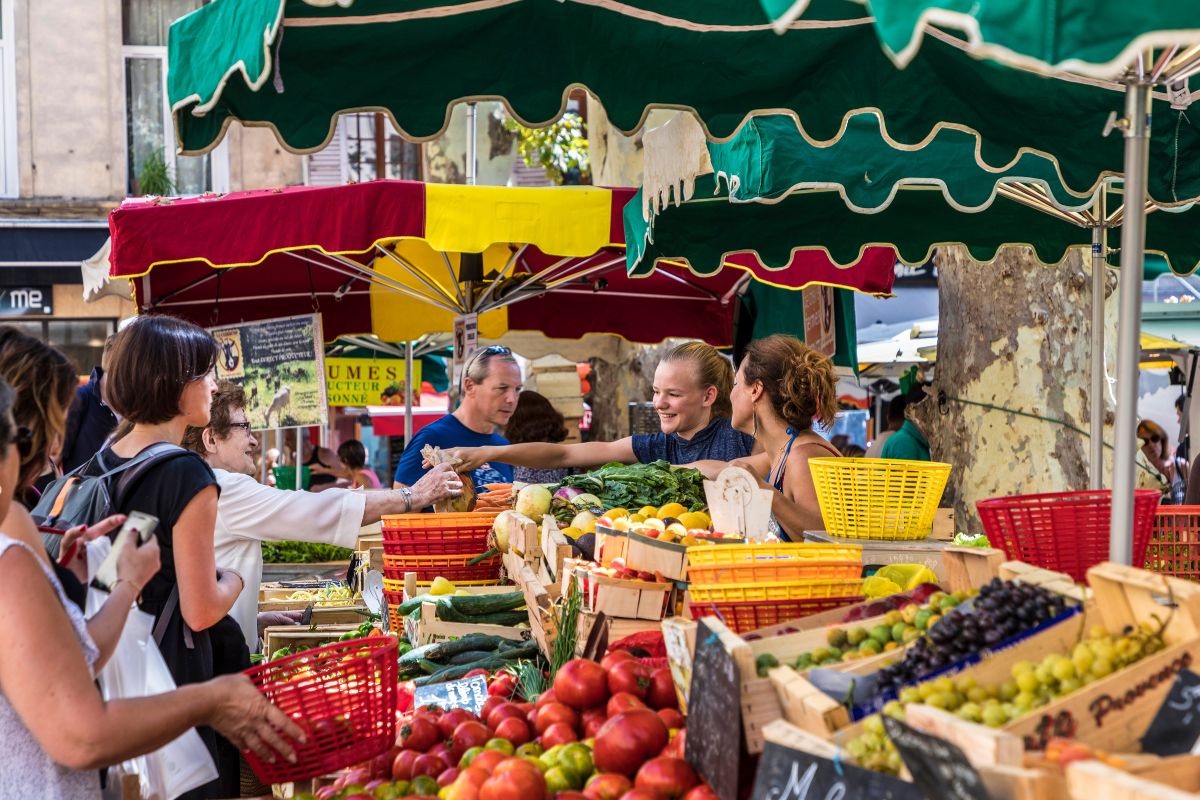
Your chef’s day begins long before yours, often before dawn. While you’re still sleeping off yesterday’s wine, they’re already navigating the morning markets of Lourmarin or Apt, moving between stalls with the ease of someone who knows every vendor by name.
They’re selecting tomatoes at their absolute peak, the ones that smell like summer and yield just slightly to pressure. They’re negotiating for the best courgette flowers, inspecting bunches of wild asparagus, choosing peaches that will be perfect in exactly six hours. They know which farmer has the best goat cheese this week, which fishmonger received the morning’s catch from the Mediterranean, where to find the tiny purple artichokes that are only available for three weeks each spring.
This is knowledge you could spend years acquiring, relationships built over seasons and transactions. Your chef brings all of it to your table. You bring nothing but appetite.
The ingredients arrive at your villa in the late afternoon: wooden crates of vegetables still wearing their field dust, cheeses wrapped in waxed paper, fresh herbs bundled with garden twine, perhaps a whole fish bedded on ice, its eyes still bright and clear. This is luxury in its most fundamental form, not just excellent food, but food so fresh it’s still connected to the earth and sea that produced it.
The Quiet Ballet of Preparation
Here’s what happens while you sip that aperitif: Your chef transforms your villa kitchen into a professional workspace, but one that somehow remains unobtrusive, almost meditative. No chaos, no stress, no frantic clattering. Just focused, practiced movement.
They might ask to play some music, something French and low. Then they disappear into the work, and you’re free to disappear into your afternoon.
The scents begin slowly. First, olive oil warming in a pan. Then garlic and herbs, that unmistakable Provençal perfume of thyme and rosemary. Later, something roasting, tomatoes collapsing into sweetness, wine reducing to its essence. By the time you’ve showered and changed, the entire villa smells like the best restaurant you’ve never been to, because it doesn’t exist outside this moment.
Some chefs work in complete quiet, utterly focused. Others are natural entertainers, happy to have you perch at the kitchen counter with your drink, explaining techniques, sharing stories about the farmers they bought from that morning, offering tastes and adjusting seasonings based on your preferences. Both approaches are equally professional, it simply depends on matching the right chef to your style.
The Table That Sets Itself
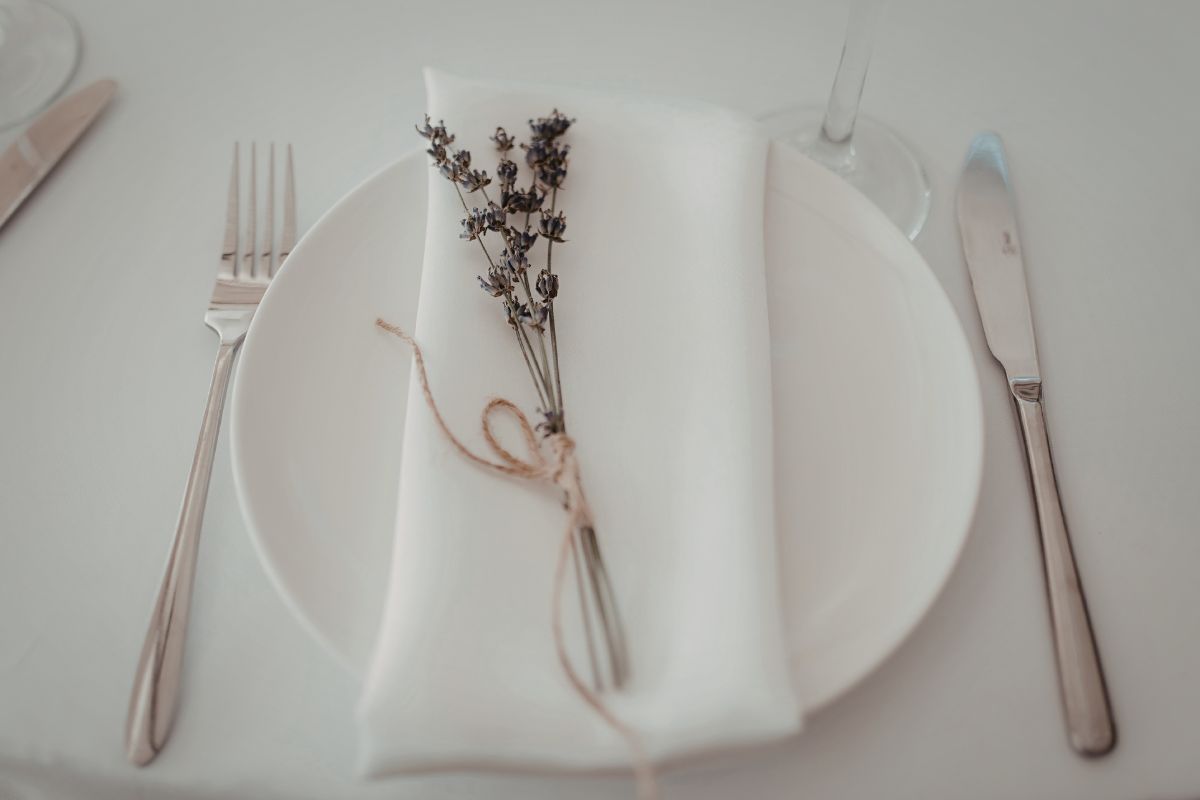
Part of the magic is that you don’t have to think about logistics. Your chef typically arrives with everything needed for service: proper platters if the villa’s won’t do, perhaps linens if they have a preferred style. Some bring their own ceramics from local artisans, handmade plates that complement the food in ways you never knew mattered until you see the meal presented on them.
They’ll set your table with an eye that understands this is Provence, not Paris. Nothing too formal, nothing that would feel out of place with your bare feet and sun-faded linen dress. But everything considered: the way the evening light will hit the table, which flowers from the garden might make the perfect centerpiece, how the courses will flow.
If you’re eating outside (and in Provence, you often are), they navigate the particular challenges of terrace dining, the wind, the insects, the temperature drop that comes with sunset, with the ease of someone who’s done this a hundred times. Candles are positioned where they’ll stay lit. Courses are timed to the fading light. Everything feels effortless because someone is, very quietly, making it so.
The Provençal Dinner, Course by Course
A proper Provençal dinner from a private chef typically unfolds over three to five courses, though this is infinitely adjustable based on the chef you choose to work with, alongside your appetite and your preferences. Here’s what the dream dinner looks like:
L’Apéritif begins before you sit down. Your chef might prepare something simple but perfect: radishes from this morning’s market with cultured butter and fleur de sel, perhaps small toasts with tapenade made from olives they pitted themselves, or delicate gougères that emerge from the oven exactly as you’re contemplating a second glass of rosé. These aren’t meant to fill you, just to awaken your palate and signal that something special is beginning.
L’Entrée (the starter, despite what the word suggests to Americans) showcases what’s best right now. In summer, it might be ripe tomatoes with burrata and basil, dressed so simply that you finally understand why people make such a fuss about good olive oil. Spring brings asparagus with a sauce gribiche, or perhaps a delicate soup of fresh peas and mint, served chilled. Fall means earthy mushroom tarts or squash blossoms stuffed with herb-flecked cheese.
The beauty is the seasonality. Your chef isn’t executing a menu they’ve made a thousand times. They’re responding to what they found at the market that morning, to what Provence is offering right now, this week, on the very specific day of your dinner.
Le Plat Principal is where technical skill meets Provençal soul. Perhaps it’s whole sea bass, stuffed with fennel and lemon, roasted until the skin crackles and the flesh barely resists your fork. Or lamb, raised in the hills you can see from your terrace, cooked low and slow with garlic and herbs until it achieves that particular tenderness that seems to exist only in the South of France.
Accompanying this: vegetables treated with the respect they deserve. Ratatouille that bears no resemblance to the stewish thing you’ve had elsewhere, each vegetable cooked separately to preserve its character, then combined at the last moment. Or perhaps just-dug potatoes, roasted with rosemary until crispy and golden. Haricots verts so fresh they snap, dressed with nothing but butter and a whisper of lemon.
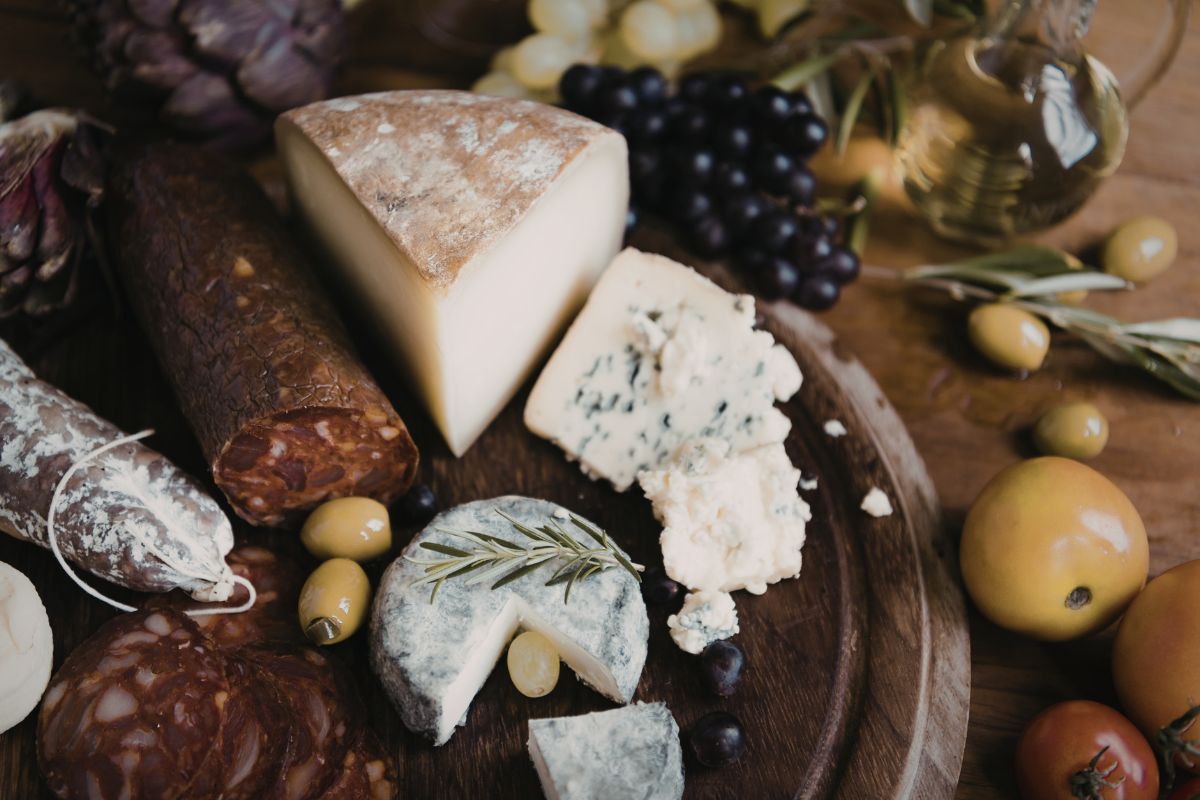
Le Fromage is not a course you should skip in France, even if you’re approaching fullness. Your chef may select cheeses from local producers, representing different styles and milk types. They’ll tell you about each one, where it came from, how to taste it. They’ll have chosen the perfect accompaniments: perhaps fig jam, walnuts, a honeycomb from a nearby apiary. This course is eaten slowly, with the last of the red wine or perhaps a small glass of something sweet.
Le Dessert arrives when you’re convinced you couldn’t possibly, and yet somehow you do. In summer, it might be stone fruits, roasted with lavender honey and served with crème fraîche. Fall brings tarts made with apples or pears and frangipane. Or perhaps your chef makes their signature creation, a twist on a classic that’s become their calling card. Whatever it is, it’s never heavy, never overdone. Just sweet enough, just rich enough, the perfect punctuation to the meal.
Throughout, wine flows at your pace. Many chefs work with trusted sommeliers or vignerons and can arrange pairings, bottles from small producers you’d never find on your own. Or they’ll guide you in selecting from the villa’s collection, suggesting what will complement each course.
The Invisible Exit
Here’s what you don’t do after this meal: dishes. Or clearing. Or scrubbing pans, or wondering what to do with leftovers, or any of the mundane work that usually follows cooking.
Your chef and their team handle everything. While you move to the terrace with digestifs, while you’re loosened by wine and good food and the particular contentment that comes from being well-fed in a beautiful place, they’re quietly restoring the kitchen to its original state. Dishes washed and put away, surfaces cleaned, trash removed, leftovers properly stored with gentle reheating instructions for tomorrow’s lunch.
By the time you think to check, they’re gone. The kitchen looks untouched, as if the meal manifested through magic rather than skill and effort. All that remains is the scent of herbs, a few crumbs on the table where you’re still sitting, and the sort of satisfaction that makes you immediately start planning tomorrow’s menu.
The Details That Elevate Everything
What separates an adequate private chef from an exceptional one are the details you notice only in their absence:
Dietary accommodation without compromise. A great chef doesn’t just work around restrictions, they make them invisible. The gluten-free guest gets their own pasta, made fresh that afternoon. The vegetarian isn’t served a sad plate of sides but a complete dish conceived specifically for them. Everyone feels considered, celebrated even.
Flexibility within structure. You mentioned you love truffles? Suddenly there’s a course featuring them, procured from a trusted source. You discovered you’re not fans of fish? The menu pivots without fuss. The meal has an arc and flow, but it’s not rigid.
Knowledge you can access or ignore. Your chef can explain the history of bouillabaisse, the technique for making the perfect aioli, why this particular olive oil costs what it does. Or they can simply cook while you relax. Both are offered; neither is imposed.
The invisible logistics. They bring what’s needed. They work with what you have. They know which local shops are open when, which markets happen which days, how to get langoustines on short notice. You never have to think about any of it.
A memory, not just a meal. Exceptional chefs understand they’re not just feeding you, they’re creating an experience that will define your Provence stay. Years from now, you’ll remember that night on the terrace, the way the light looked, how the food tasted, the laughter around the table. They’re cooking for that future memory.
Beyond Dinner: The Full Experience
While dinner is the centerpiece, many private chefs offer experiences that extend beyond the evening meal:
Market tours where you accompany them through the morning stalls, learning to select ingredients, meeting producers, seeing how a professional navigates the beautiful chaos of a Provençal market.
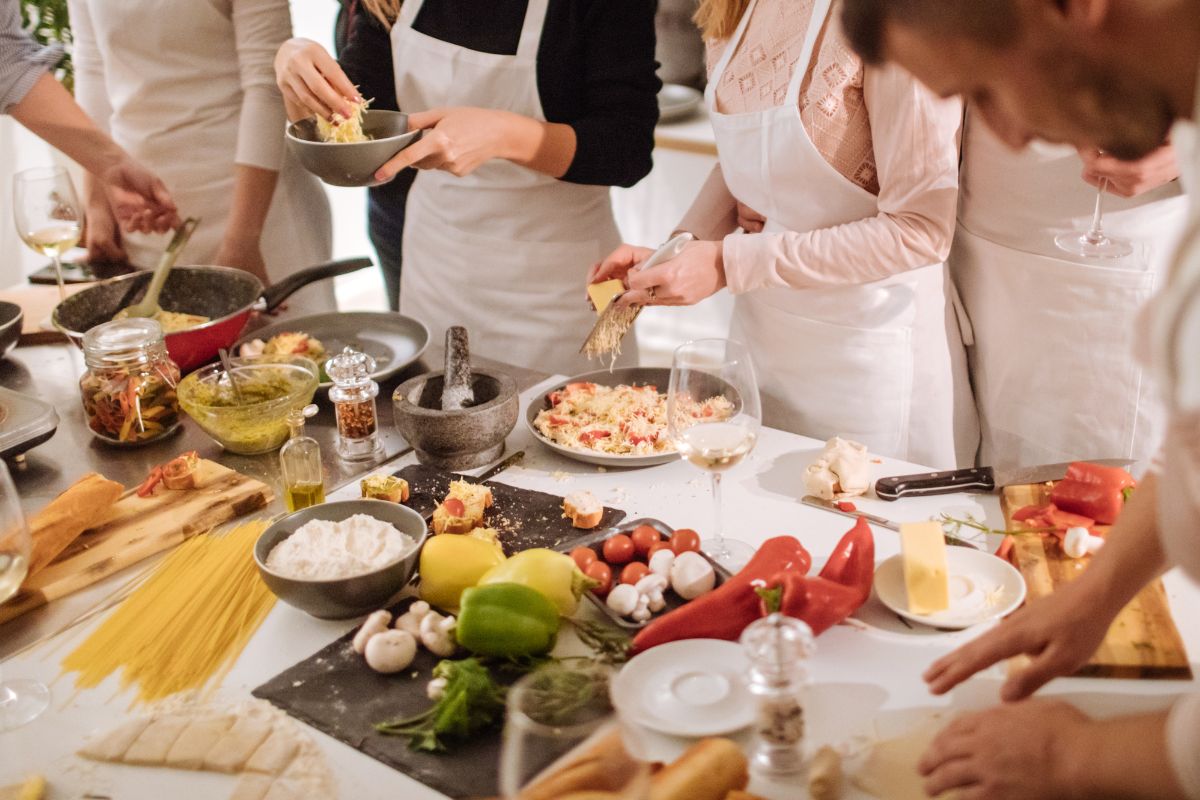
Cooking classes that are less structured lessons and more collaborative cooking sessions, where you learn techniques while preparing lunch together, usually involving plenty of wine and very little stress.
Picnic preparation for your day trips, proper French picnics with terrines and salads and tarts, packed in proper baskets with real glasses because plastic cups have no place in Provence.
Breakfast service featuring fresh pastries from the village boulangerie, perfect soft-boiled eggs, seasonal fruit, and strong coffee served exactly how you like it.
The goal is always the same: you on vacation, genuinely on vacation, free from the logistics of feeding yourself while eating better than you do at home.
The Investment in Ease
A private chef in Provence is not inexpensive, but neither are the meals you’d eat in restaurants of comparable quality, if you could even get reservations in high season. And restaurants require shoes. And driving. And navigating menus in French. And that particular low-grade stress that comes with being somewhere new, hoping you’ve chosen well.
Your villa chef eliminates all of that while adding something no restaurant can provide: the intimacy of dining in your own space, the ability to linger as long as you wish, the freedom to be comfortable in ways public dining never allows.
When you calculate the cost against restaurant meals, car services, the hassle of reservations and waiting and being somewhere on time, the value proposition becomes clear. But truly, this isn’t about value. It’s about fundamentally changing the nature of your vacation from one where you feed yourself in a nice place to one where being fed beautifully is simply part of how each day unfolds.
Choosing Your Chef
The right chef for your Provence experience depends on several factors:
Your style. Do you want traditional Provençal cooking or modern interpretations? A chef who engages with guests or one who works quietly? Someone who can accommodate complex dietary needs or a purist who works best with adventurous eaters?
Your schedule. Some guests want a chef every night. Others prefer the flexibility of three or four nights, leaving room for restaurant exploration or casual evenings with cheese and bread.
Your group. A romantic couple might want elegant but simple meals. A multi-generational family gathering needs a different approach. Friends celebrating a milestone want something else entirely.
Your budget. Chefs range from skilled local cooks who prepare honest, delicious Provençal food to professionally trained chefs with restaurant pedigrees. Both can be wonderful; it’s about matching investment to expectation.
This is where working with someone who knows the region’s chefs intimately becomes invaluable. We’ve eaten their food, visited their kitchens, understand their strengths and styles. We match chefs to guests the way a sommelier pairs wine to food, based on compatibility and occasion.
The Morning After
You wake slowly, because you drank enough wine last night to sleep deeply but not so much that you’re paying for it now. The sun is already warm through the shutters. You pad to the kitchen in bare feet, and there, exactly where your chef left them, are the things they prepared for this moment:
Fresh orange juice in a glass bottle. Leftover tart from last night’s dessert. Perhaps a salad of the most beautiful vegetables, already dressed, that will be perfect for lunch by the pool. Instructions, in careful handwriting, for reheating the lamb if you want it for dinner tonight (you will).
You make coffee and take it to the terrace, and you understand with perfect clarity why people return to Provence year after year, why this particular configuration of sun and stone and food creates something irreplicable anywhere else.
Tonight, your chef returns. The whole beautiful cycle begins again. And you, having learned from yesterday, will start your aperitif even earlier.
Latest Articles
October 19, 2026
October 19, 2026
October 19, 2026