
What Wellness in Provence Really Looks Like
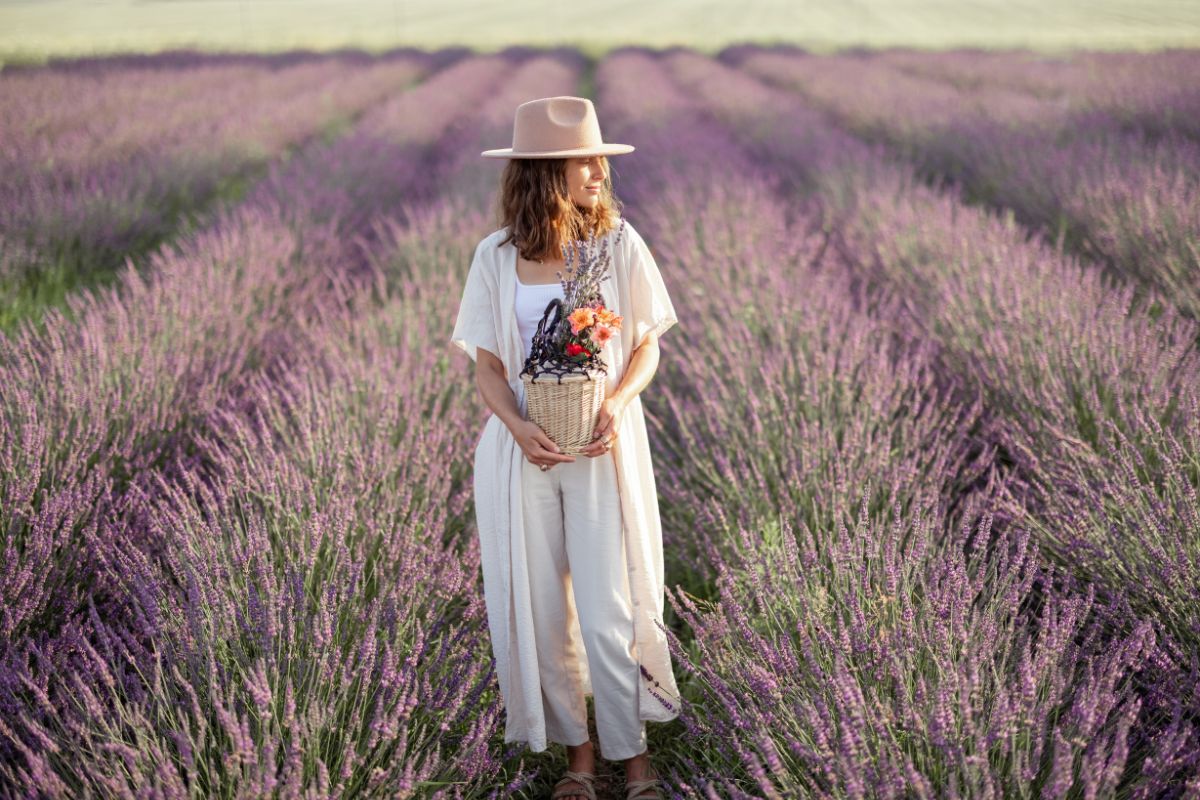
Discover how the French art of living transforms luxury villa stays into profound journeys of restoration and renewal.
The morning light in Provence arrives differently than anywhere else. It doesn’t announce itself with urgency but unfolds gradually across limestone villages and olive groves, warm and golden, as if the sun itself understands the value of taking time. This is your first lesson in Provençal wellness: true restoration cannot be rushed.
Wellness in Provence isn’t about juice cleanses or sunrise boot camps. It’s about rediscovering rhythms that modern life has trained us to forget. It’s the weight of sun-warmed tomatoes in your palm at a village market, the unhurried conversation over a three-hour lunch, the particular quiet that settles over a villa courtyard in the late afternoon when even the cicadas pause.
The Table as Sanctuary
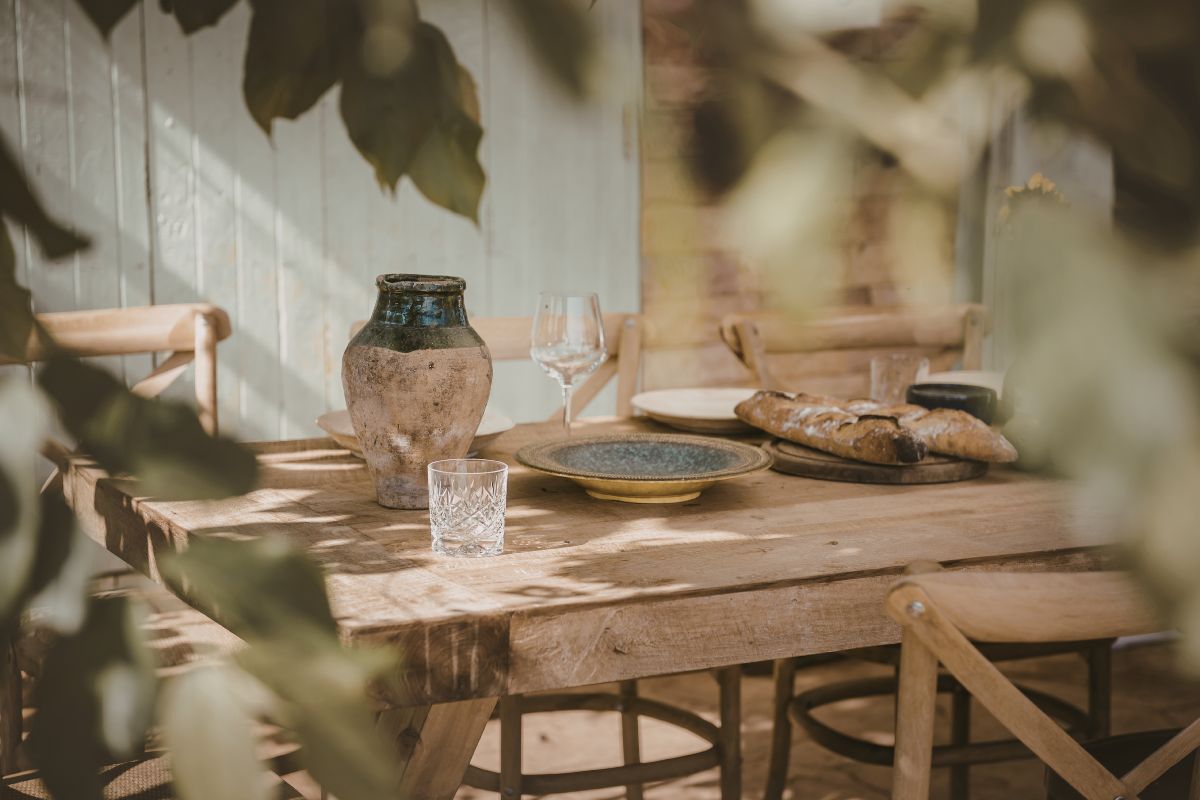
In Provence, wellness begins at the table. Not with restriction, but with abundance. Not with counting, but with savoring. When a private chef arrives at your villa with baskets of vegetables still wearing the morning’s dew, something fundamental shifts. Suddenly, food becomes what it was always meant to be: a connection to place, to season, to the hands that grew it.
Watch as they transform a Cavaillon melon, goat cheese from a nearby farm, and just-picked basil into something that tastes like the essence of summer itself. This is nutrition in its truest form, meals that nourish not just the body but something deeper, a kind of cellular memory that remembers what real food tastes like.
The beauty of having a private chef in your Provence villa is the intimacy it creates. They become your guide to the terroir, explaining why these particular green beans came from this particular farm, how the olive oil you’re drizzling was pressed just kilometers away last November. Each meal becomes an education in seasonality, in patience, in the profound satisfaction of eating food that hasn’t traveled further than you could walk in an afternoon.
Moving Through the Landscape
Wellness here is also measured in footsteps. A morning walk through the Luberon doesn’t feel like exercise; it feels like a conversation with the land itself. The path that winds between cherry orchards and wild thyme teaches your body a different vocabulary, one where movement is exploration rather than obligation.
Perhaps you’ll join a guided foraging walk, learning to identify the edible wild greens that have sustained Provençal cooking for centuries. Or cycle through villages where the greatest challenge is choosing which café terrace to pause at, which view demands a longer look. These aren’t activities you check off a wellness itinerary. They’re invitations to inhabit your body differently, to remember that physical joy doesn’t require performance metrics or fitness tracking.
A private yoga session on your villa terrace at sunset, lavender-scented air moving across your skin, connects breath to place in ways a studio never could. Or perhaps wellness for you looks like an afternoon painting workshop in the ochre cliffs of Roussillon, your hands stained the same russet and gold as the earth itself.
The Architecture of Rest
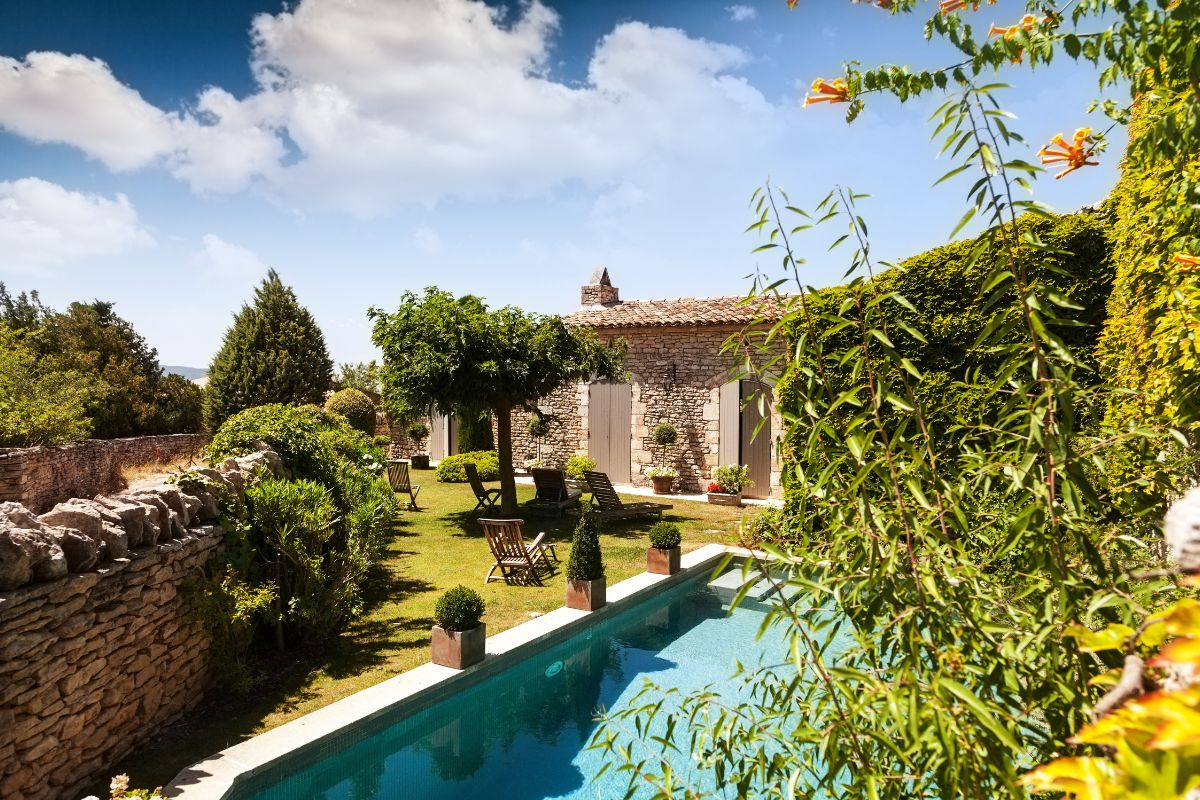
The Provençal villa itself becomes a wellness tool. Thick stone walls that keep interiors cool even in August heat, shutters that filter light into soft, dancing patterns, courtyards designed for the specific purpose of sitting quietly with a book and a glass of rosé. This is architecture that understands rest is active, necessary, sophisticated work.
There’s a particular luxury in having space entirely your own. No spa schedule to keep, no group activities to join unless you wish. Just the profound gift of time structured only by hunger, curiosity, and the arc of the sun. Wake when your body is ready. Breakfast on the terrace lasts as long as the conversation. The afternoon stretches open and generous, asking nothing of you.
Provence’s Natural Apothecary
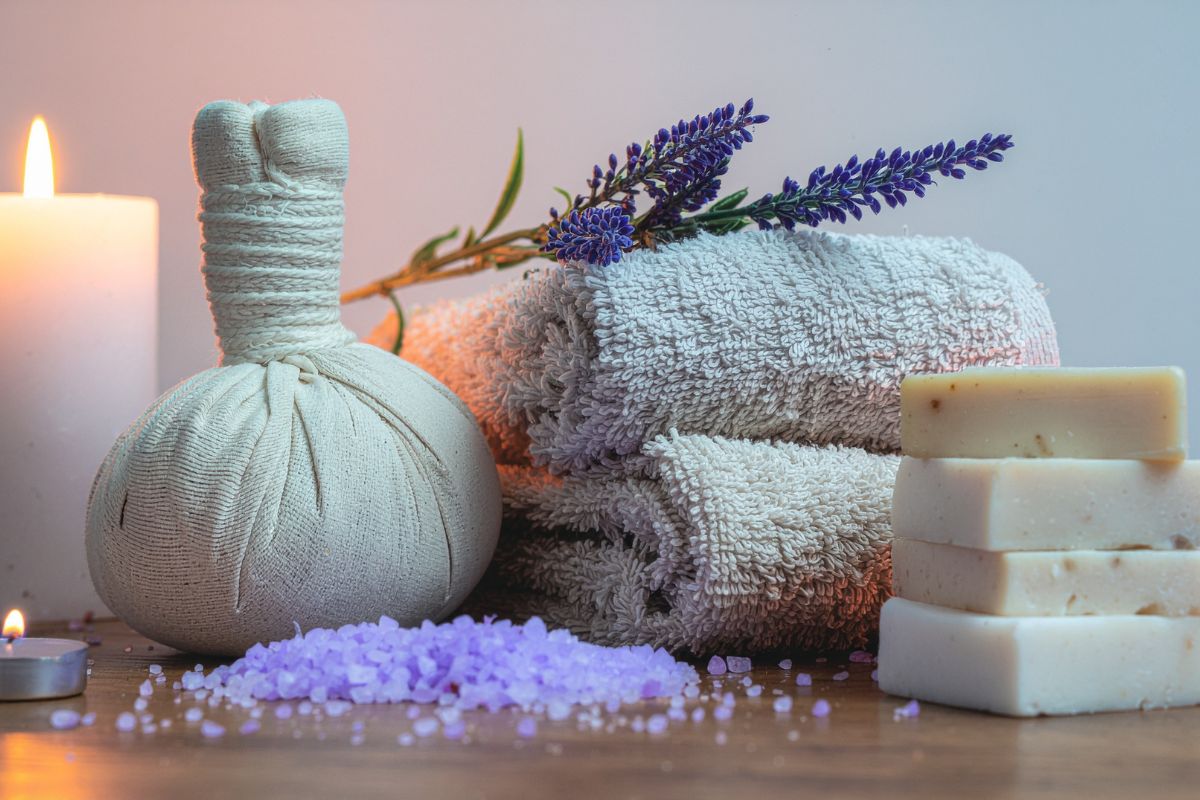
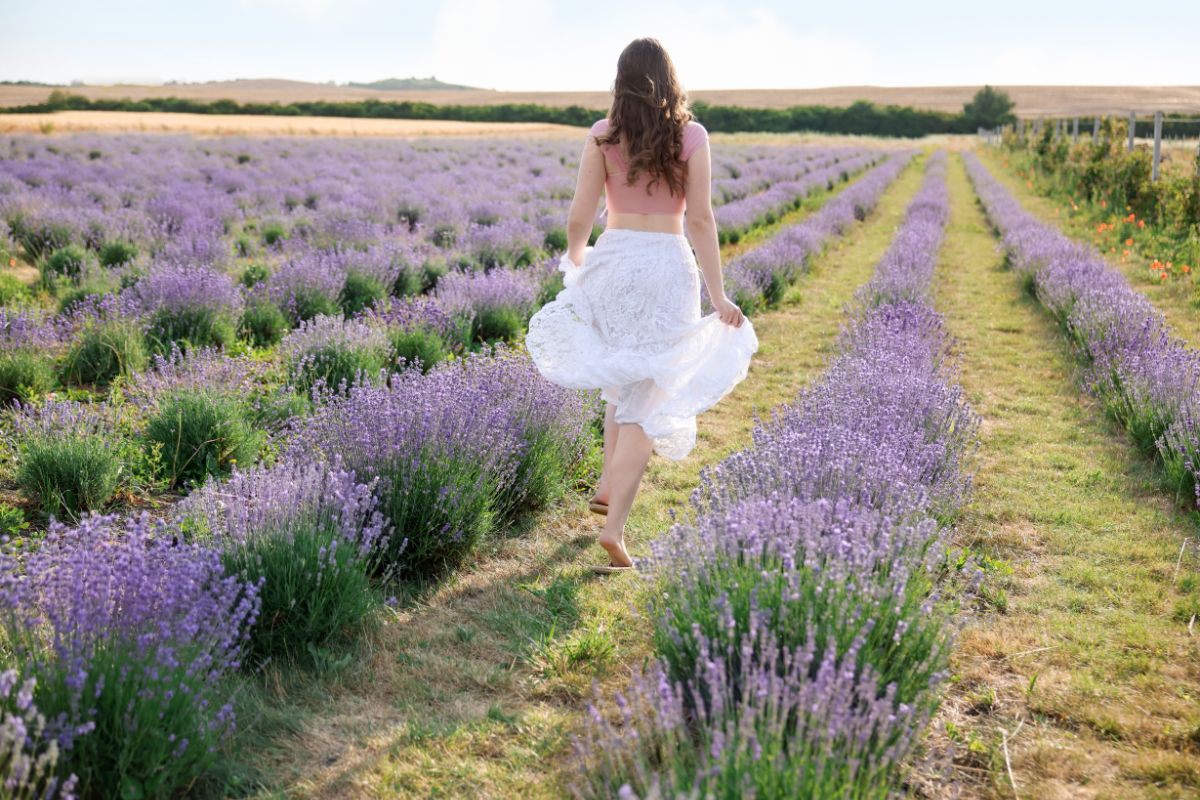
The Provençal approach to wellness is written in the landscape itself. Lavender fields that have scented sachets and soothed headaches for generations. Olive oil rich with polyphenols. Honey from bees that work the wild garrigue. Herbes de Provence that are more than seasoning, they’re a concentrated dose of the Mediterranean’s healing botanicals.
A visit to a local distillery reveals how essential oils are coaxed from rose petals and immortelle flowers. At a vineyard, you learn that the resveratrol in red wine is simply the grape’s own wisdom, its way of protecting itself from stress. These aren’t wellness trends imported from elsewhere. They’re knowledge that has lived in Provençal hands and kitchens for centuries.
Your private chef might prepare a tisane from verbena growing outside your villa door, or dress a salad with walnut oil so rich it tastes of the earth itself. Every ingredient carries the concentrated wellness of its terroir.
The Art of Doing Less
Perhaps the most radical wellness practice Provence offers is permission to do absolutely nothing. To spend an entire afternoon watching light move across a valley. To read half a chapter and then lose yourself in thought. To discover that idleness, far from being wasteful, is when creativity and restoration do their deepest work.
The French have a phrase for this: l’art de vivre, the art of living. It’s not about adding more activities to justify your presence. It’s about being present enough that you don’t need justification. In a culture that treats busyness as virtue and productivity as purpose, this is perhaps the most countercultural wellness practice of all.
A bespoke Provence experience understands this. It creates the container, the villa, the chef, the curated possibilities, and then it gets out of the way. It trusts that wellness emerges not from optimization but from space, from beauty, from pleasure taken slowly and without guilt.
Return Changed
You’ll return from Provence with sun-touched skin and probably a kilo or two heavier, despite all those farmers market salads. But you’ll also return with something less measurable and more lasting. A recalibrated sense of time. A reminder that your body knows how to feel good when you feed it real food, move it gently, and give it adequate rest. An understanding that wellness isn’t something to achieve but a way of being to practice.
The lavender sachets you tuck into your luggage will scent your drawers for months. But the real souvenir is subtler: the memory of how it felt to live at the pace your body actually wants to move, to eat food that tastes like something, to measure days not in accomplishments but in moments of unexpected beauty.
This is what wellness in Provence really looks like. Not a retreat from life, but a remembering of what life can be when you strip away everything that isn’t essential. Just stone and sunlight, olive oil and tomatoes, good wine and better conversation, and all the time in the world to enjoy them.
Ready to Experience Provence Wellness?
Let us design your perfect wellness retreat in Provence. From selecting the ideal villa to curating experiences that match your vision of restoration, we handle every detail so you can focus on what matters: slowing down, savoring, and returning home transformed.
Frequently Asked Questions
Latest Articles
October 19, 2026
October 19, 2026
October 19, 2026