
Olive Oil in Provence: Tastings, Mills & How to Spot the Real Thing
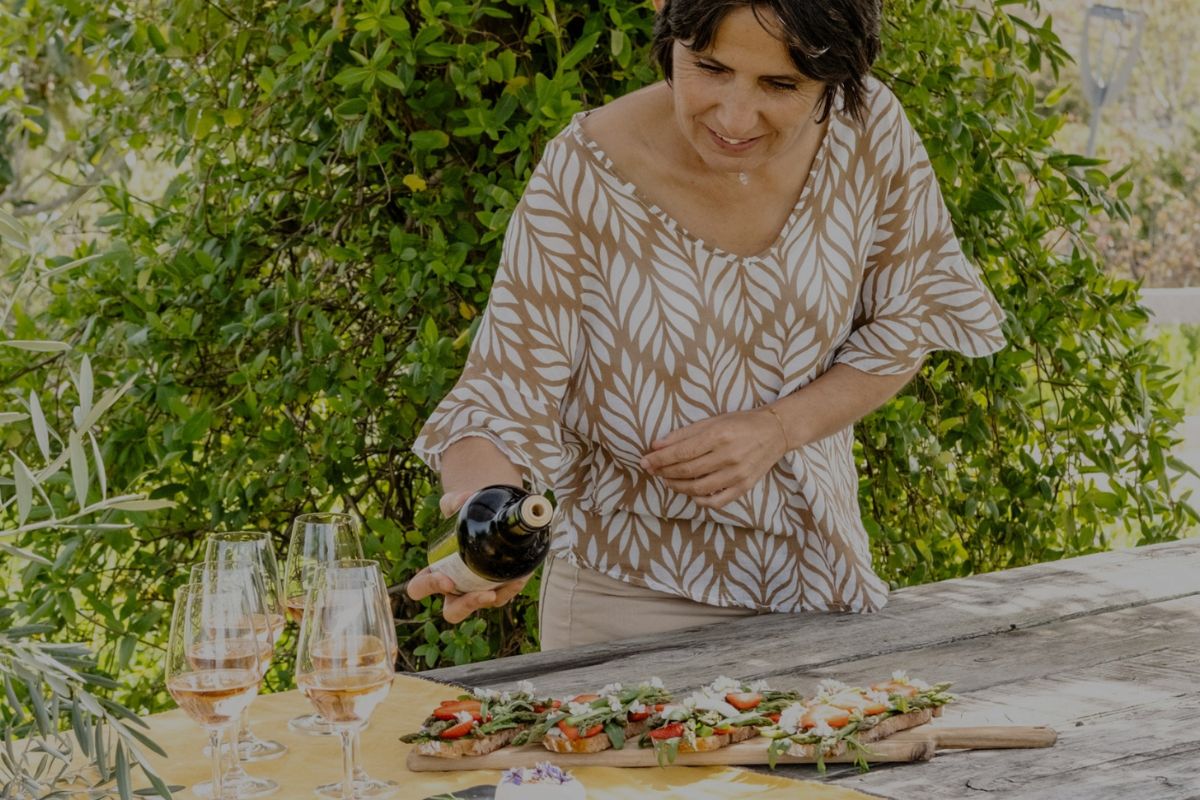
Wine gets the headlines, but olive oil is the quieter soul of Provençal cooking. It’s in everything — drizzled over ripe tomatoes, folded into a tapenade, poured with a heavy hand over grilled vegetables — and the good stuff, the kind pressed a few kilometres from where you’re sitting, tastes nothing like the pale supermarket bottle back home.
This is a short field guide to olive oil in Provence: how it’s grown and made, how to read a label without being fooled, and how to taste it the way the experts do.
Why Provence olive oil is different
Provence sits at the northern edge of where olives will happily grow, and that cooler limit is part of the magic. The trees work harder, the season is short, and the oils tend to be aromatic and expressive rather than merely fatty. Many are made from local varieties you’ll rarely meet elsewhere — Aglandau, Salonenque, Grossane, and Picholine among them — often blended to balance grassy freshness against a warm, almost artichoke-like depth.
The best oils here carry an AOP designation (Appellation d’Origine Protégée), the same protected-origin system that governs the region’s wines. It ties an oil to a specific place, set of varieties, and production standards — a real signal of provenance rather than marketing.
From grove to mill: how the oil is made
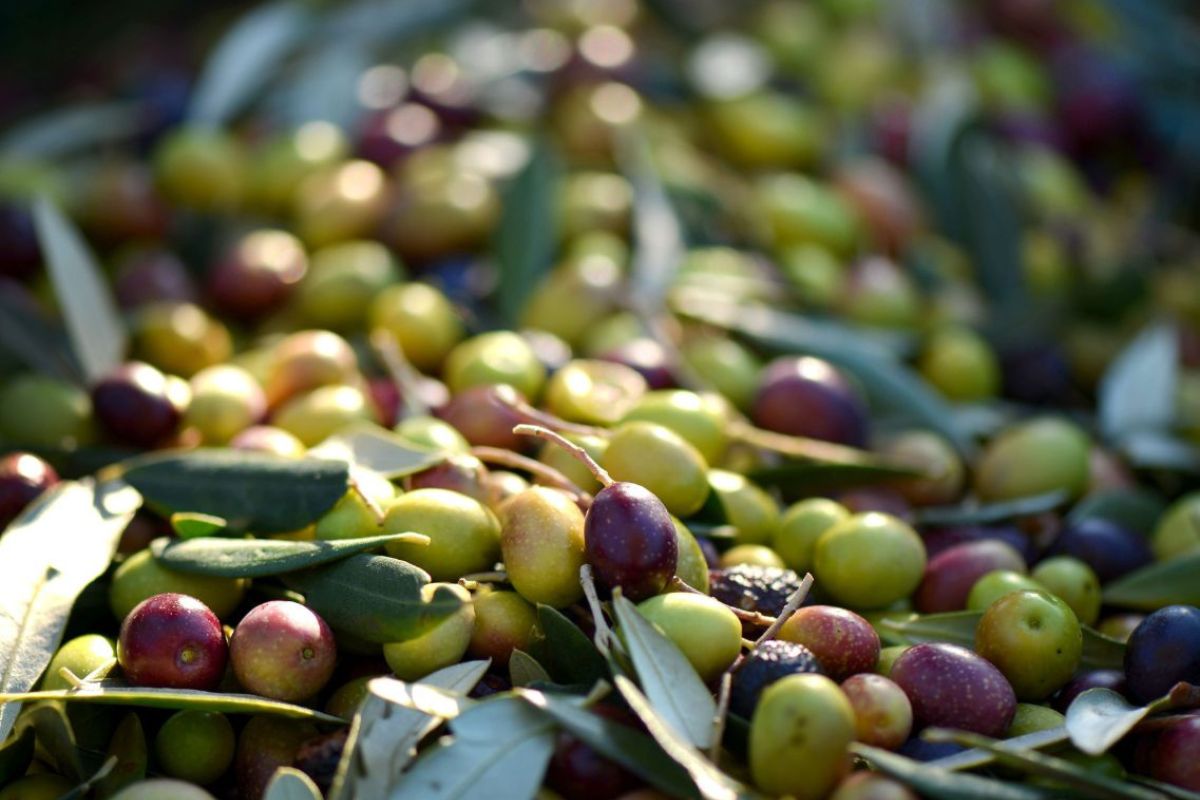
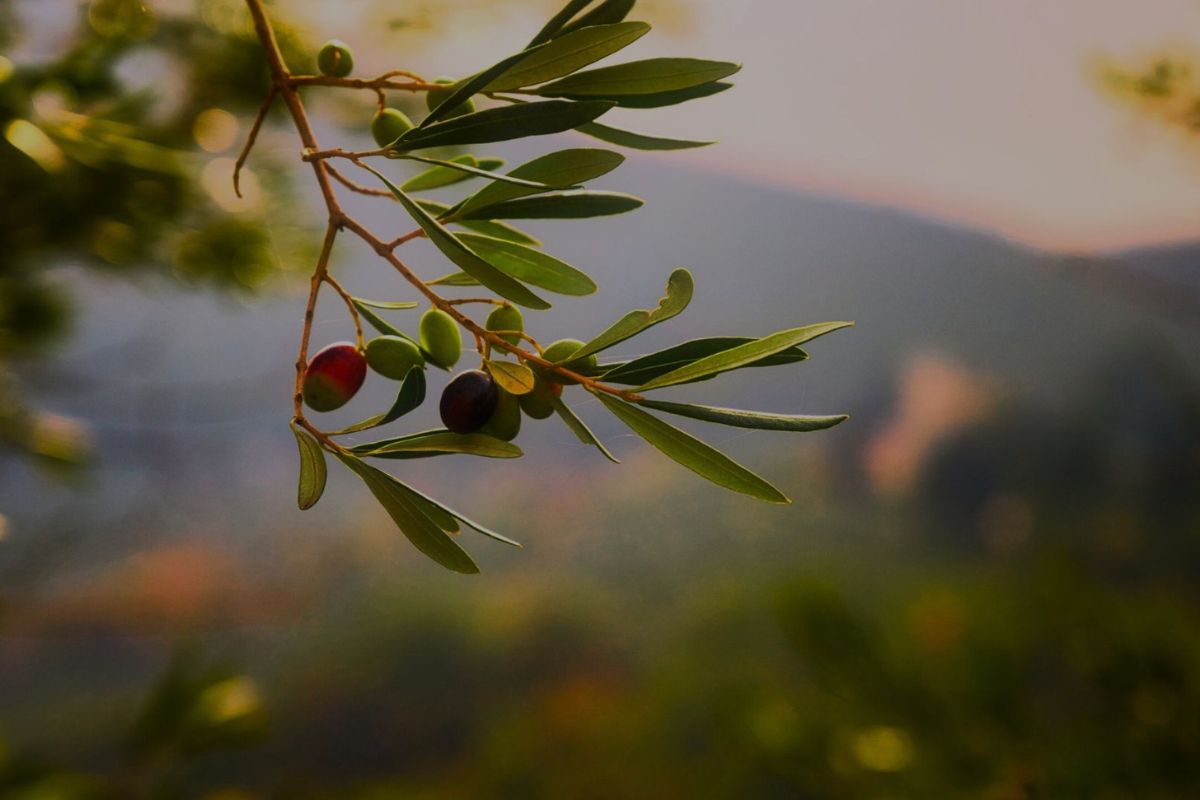
Olives in Provence are harvested in late autumn, roughly November into December, and the freshest bottles — the huile nouvelle — appear soon after. Timing matters enormously: olives picked earlier and greener give a sharper, more peppery oil higher in the antioxidants (polyphenols) that make good olive oil good for you; later, riper fruit gives a softer, rounder result.
From the grove the olives go quickly to the mill (the moulin), because the clock starts ticking the moment they’re picked. There they’re washed, crushed — stones and all — into a paste, which is then slowly churned and separated to release the oil. The phrase you want on the label is cold-extracted or cold-pressed, meaning the oil was produced below about 27°C, without heat or chemicals to force out more yield at the cost of flavour and quality.
What “extra virgin” actually means
It’s the most abused term on the shelf, so it’s worth being precise. Extra virgin olive oil (EVOO) must be extracted by mechanical means only — no heat, no solvents — with a free acidity of no more than 0.8% and, crucially, no sensory defects when tasted by a trained panel. “Virgin” is a step down (minor defects allowed); anything labelled just “olive oil” or “pure olive oil” has usually been refined and stripped of most of its character.
So “extra virgin” isn’t a vague quality boast — it’s a defined standard. The trouble is that standard is widely gamed, which is exactly why knowing how to taste matters.
How to spot the real thing
You don’t need a laboratory — you need your nose, your palate, and a few habits. Here’s what a trained olive oil sommelier actually looks for:
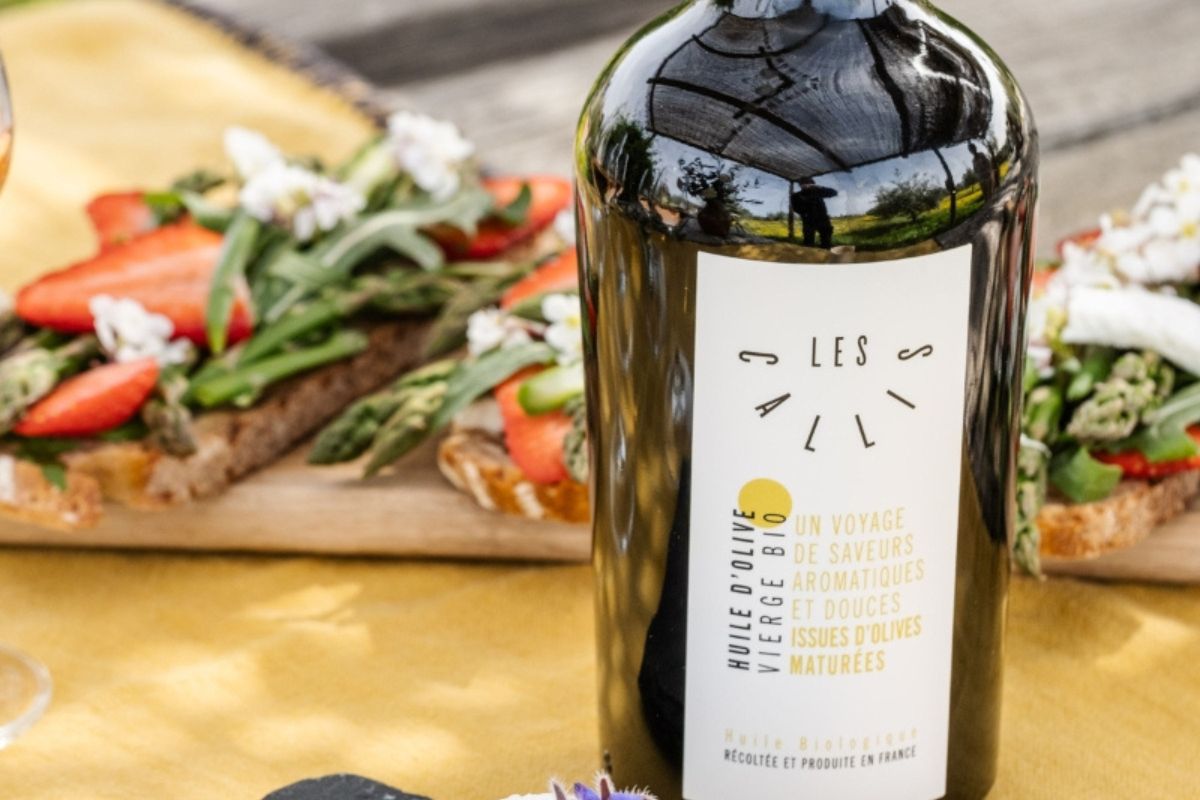
- Read past the front label. Look for a harvest date, not just a best-before. Freshness is everything; aim to use an oil within about a year of harvest. A specific estate or region and an AOP mark are all good signs.
- Mind the bottle. Quality oil is sold in dark glass or tins that protect it from light. A clear bottle on a bright shelf is already a warning.
- Smell it. Fresh EVOO smells green and alive — cut grass, tomato leaf, artichoke, sometimes almond. Musty, greasy, or crayon-like “putty” smells mean the oil is rancid or defective.
- Taste it, and welcome the burn. Sip a little and let it coat your mouth. A good oil is often bitter and finishes with a peppery catch at the back of the throat — that sting is polyphenols, a marker of freshness and health, not a flaw.
- Be sceptical of the bargain. Real extra virgin olive oil is expensive to make. A large bottle sold cheaply, with vague origin and no harvest date, is telling you what it is.
- Ignore the “fridge test.” The old myth that real olive oil solidifies in the fridge isn’t reliable — whether an oil clouds or firms up depends on its variety, not its authenticity.
Master those and you’ll never be fooled by a pretty label again.
Taste it properly — in an olive grove near Gordes
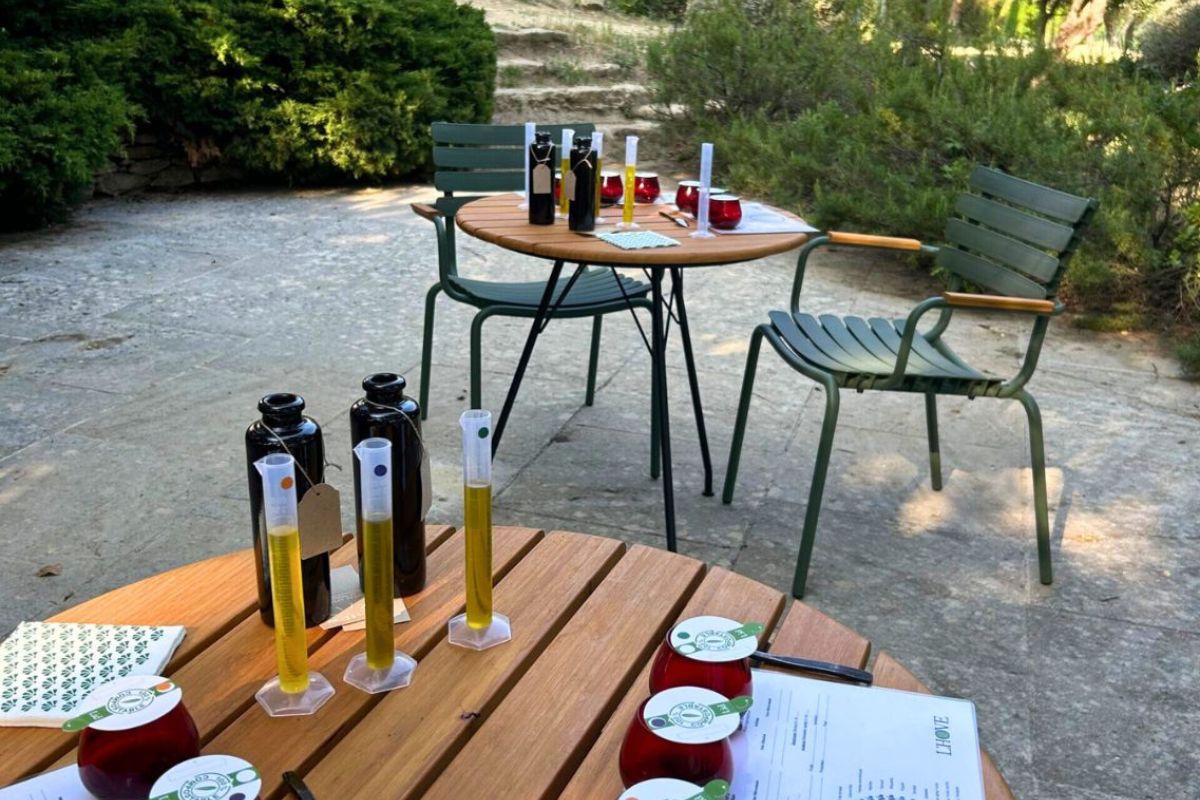
Reading about it only gets you so far; olive oil is a sensory experience, and the best way to learn is with a glass in hand and someone who really knows. That’s the idea behind the olive oil experiences at Provence Chefs Experience, all led by Charlotte — an Olive Oil Sommelier trained through LOVE and the Olive Oil Times in London, and a certified AOP Provence judge with the Centre Technique de l’Olivier in Aix-en-Provence. She describes olive oil as “a remarkable product with endless flavour possibilities,” and it shows. There are three ways to dive in:
The Olive Oil Tasting Workshop: The full sensory journey: a guided tasting in an olive grove in Gordes where you’ll learn to tell virgin from extra virgin and pick out the aromas, flavours, and textures that separate great oil from ordinary. It wraps up with bruschetta topped with seasonal vegetables, fresh regional cheeses, and a local Luberon wine. Morning or early-evening sittings, from €130 per person (minimum six).
The Olive Oil & Ice Cream Workshop: A relaxed hour at your own villa pairing an organic olive oil tasting with homemade ice creams and sorbets — a genuinely delicious way to understand how oil behaves across three different varieties, and to finally learn what “extra virgin” and “cold-pressed” mean in practice. €90 per person (minimum six).
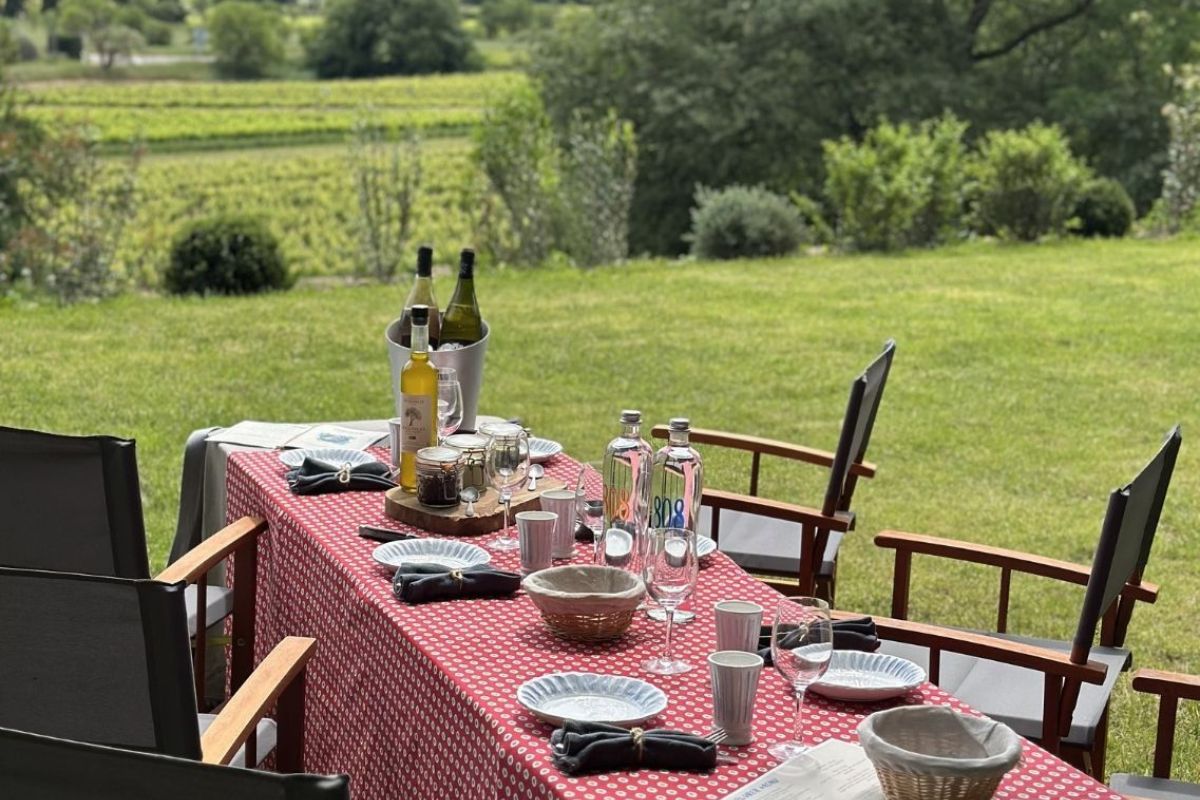
The Olive Oil Tasting & Gourmet Dinner: The deepest dive for serious food lovers: a guided tasting of exceptional organic oils followed by a gourmet dinner built around the very oils you’ve just explored, each course seasonal and thoughtfully matched. Set in the comfort of your villa or garden, priced to your group and occasion.
Planning your olive oil tasting
Olive oil tastings run year-round, but there’s a special pleasure to visiting in late autumn and winter, when the new-harvest oils are just in. Pair a morning workshop with an afternoon among the hilltop villages, or make it part of a broader food-and-wine week in the Luberon. Whichever you choose, you’ll go home able to taste the difference — and probably with a bottle or two in your luggage.
Curious to taste like an olive oil sommelier? See the full details on the Olive Oil Tasting page, or get in touch to plan your experience.
Frequently Asked Questions
Latest Articles
October 19, 2026
October 19, 2026

October 19, 2026